A Window Seat Without a Window? Judge Lets Lawsuit Against Delta Proceed
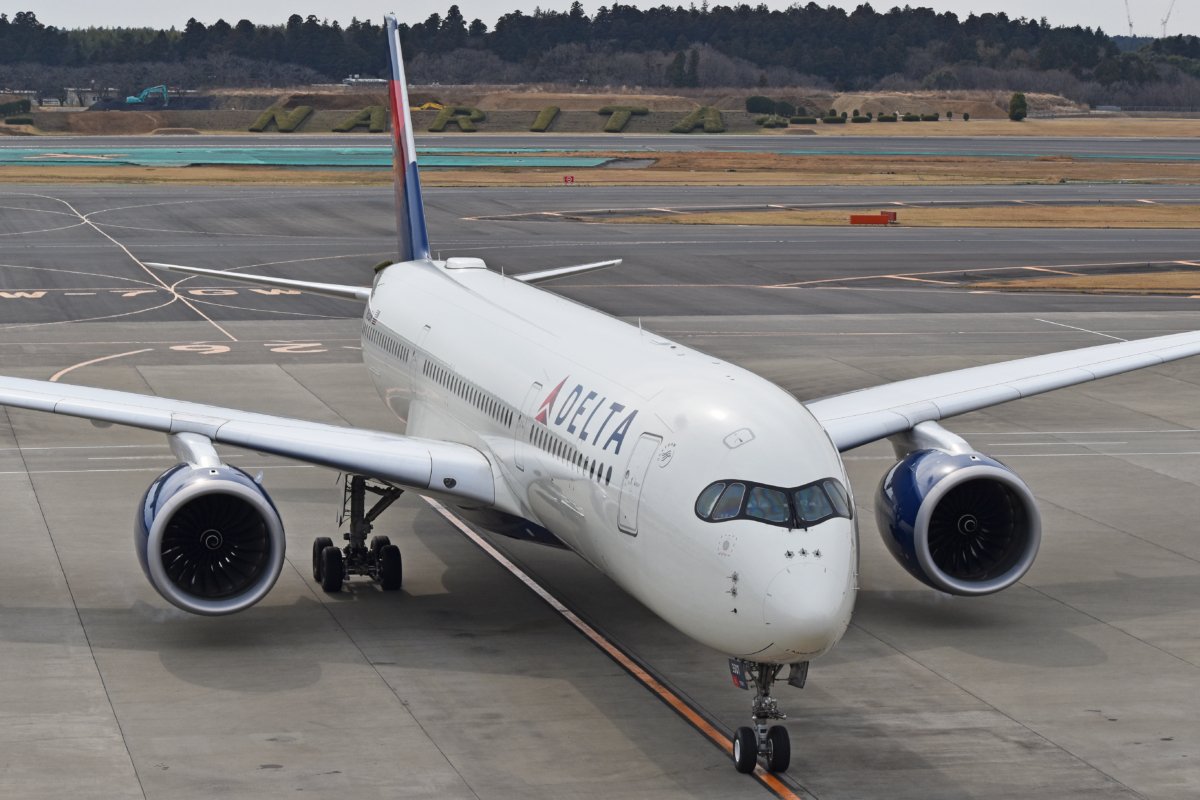
Featured image: Alan Wilson/Flickr | CC BY-SA 2.0 Generic
Is a window seat really a window seat if there is no physical window? As more and more airlines started charging extra for preferential seats across its cabins, passengers are starting to question airlines’ policies on what they get versus what they were promised.
Many aircraft have blank windows (a section where there would be a window but is blocked out) to accommodate air condition ducting, running of electrical conduits and other supporting structures. Older traditional cabin layouts ‘typically’ were configured in such a way where these blanks would either not be a problem or affected just one or two passengers at most.
Fast forward to the present, and airlines are consistently changing cabin layouts, with the latest push being for more premium configurations. Unfortunately, those blanks can’t be moved, with they typically falling either in the business or premium economy cabins. Even though they affect just one or two passengers at most, they tend to fall in areas where customer pay extra for those “window seats”.
Some airlines still do not show which seats have blanked windows, claiming that they can’t keep track of equipment changes, or variances within the actually booked aircraft type. I found this out the hard way when booking a flight on Hawaiian Airlines’ 787 three years ago.
It’s an understandable logistical issue to deal with, and wasn’t a big deal when choosing a seat didn’t come at an extra cost. Now that many are charging for that perk, you’d think booking a window would guarantee that you’d get either a full or partial view outside, right?
Delta Air Lines doesn’t think so, and as a result, they are being taken to court over the matter. In August 2025, Nicholas Meyer sued Delta for breach of contract as he was not notified that his seat was missing a physical window even though they charged for a “window” seat. He sought damages for himself and asked the court to let him represent other passengers who had paid extra for similarly windowless seats.
According to the original complaint, Meyer booked an August 16, 2025 trip from New York LaGuardia to Orange County, California, via Atlanta. He paid extra to choose a window seat on both legs because he wanted to enjoy the view.
His first seat, 32A, had a window, but when he boarded the second flight in Atlanta, he discovered that 23F on the Boeing 757-200 was next to a blank wall. He said he would have chosen a different seat and would not have paid extra for that seat if Delta had disclosed that it had no window.
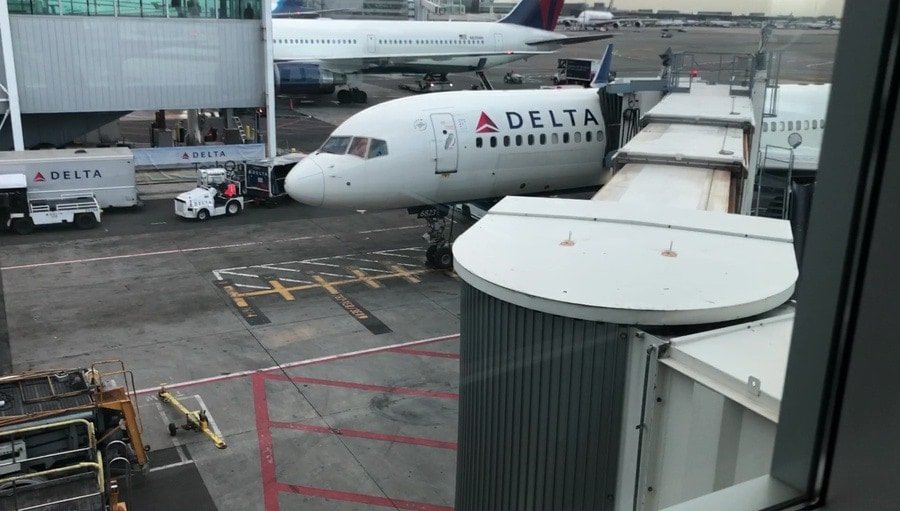
Delta requested a pre-motion conference in September 2025, with the intent of beginning proceedings to have the case dismissed. In October 2025, three more plaintiffs were added to the suit, that being Anthony Bernardo, Justin Valentine and Leah Roberts.
In January 2026, the airline filed their official motion to dismiss, arguing that their Conditions of Carriage don’t guarantee a particular seat assignment. The airline says it needs flexibility to swap aircraft, which can have different cabin layouts.
It argued that the contract therefore didn’t obligate it to provide the specific seats the passengers selected. Delta also argued that the federal Airline Deregulation Act barred the passengers’ claims.
In May 2026, the originally named plaintiff Nicholas Meyer filed a notice of voluntary dismissal. On November 4, 2026, Judge Ramón E. Reyes Jr. denied Delta’s motion, allowing the lawsuit to proceed with the three remaining plaintiffs.
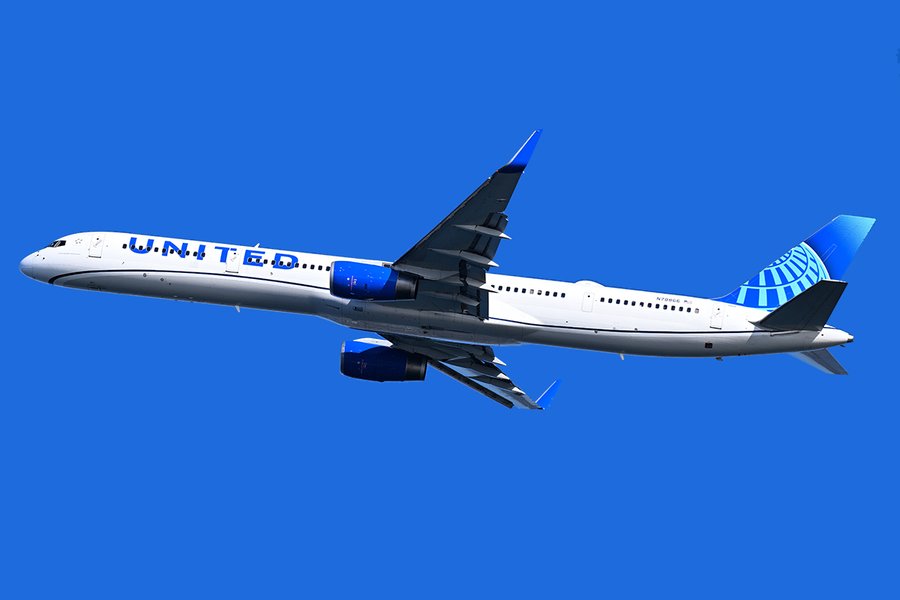
This isn’t a win for passengers just yet, as the matter now has to be tried in court. However, there does seem to be some hope as United also has a similar case against them. In August 2025, Marc Brenman and Aviva Copaken filed a proposed class action in federal court in San Francisco, alleging that United charged extra for seats labeled as window seats that had no windows.
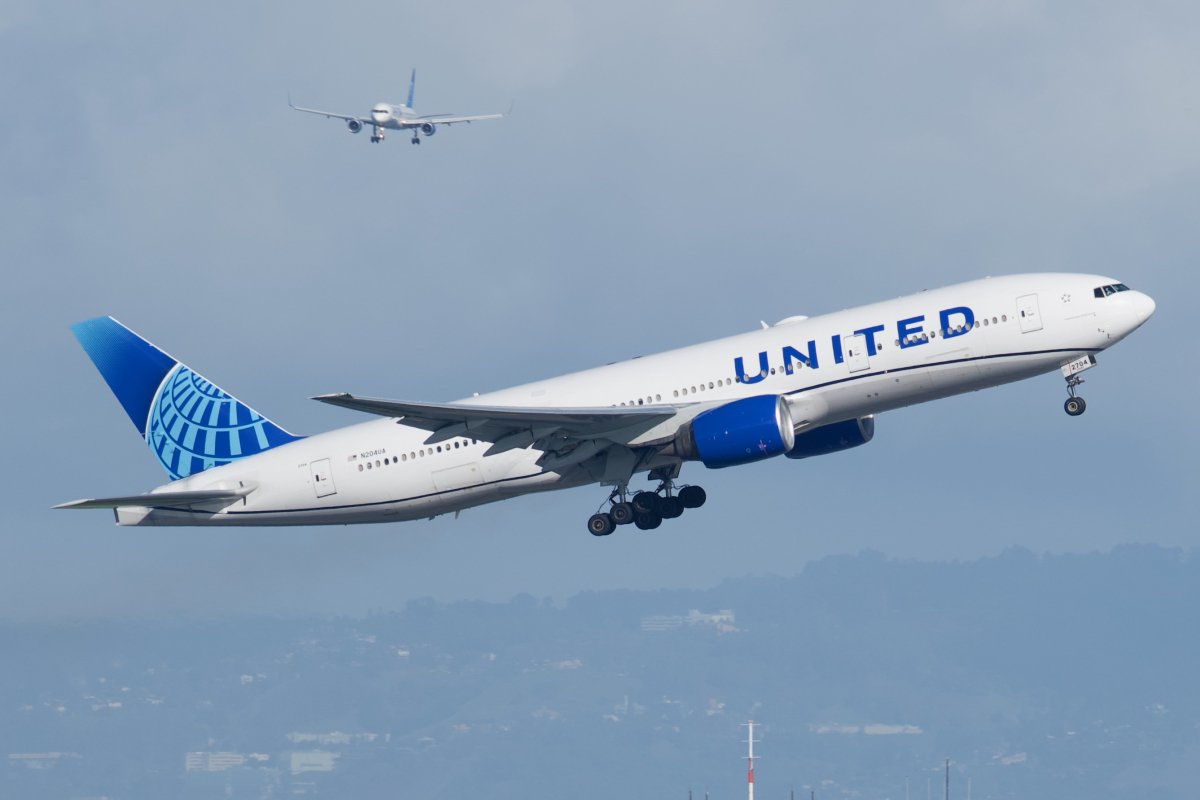
In November of that year, United sought dismissal, arguing that that the term “window” referenced a position in the aircraft (i.e. along the walls of the aircraft), and did not promise an actual window. Like Delta, they also cited the Airline Deregulation Act. However, United will also be going to court as U.S. District Judge James Donato denied their motion in July 2026, allowing the case to proceed.
Passengers typically choose window seats for a variety of reasons including not having to be disturbed if someone wants to use the washroom, or choosing to not have someone sit next to them. In the majority of cases though, passengers book windows seats to look out of the, you guessed it, the window.
I’m no legal expert, so I can’t really say for sure who has the upper hand here, but these cases may most likely come down to arguments over verbiage and reasonable expectation. In my limited time traveling, I’ve had cases where I’ve been downgraded from one class to another (e.g. premium economy to economy) and was refunded the difference in fare almost instantly without question.
If a customer is willing to pay extra because they think they are getting a view, and don’t get that, then shouldn’t the same apply? At the end of the day, this only applies to one or two passengers at best, so why the fuss?
Sign up for the free Gate Checked newsletter here sent three times weekly.